Pages

Monday, 21 January 2013

Artefact 1 Planning

Artefact 1 - "Morning After Dark"

For my first artefact, I will begin to explore the cinematographic technique of lighting. When reading for my research project, I often find opinions which state that lighting is the most important technique when adding mood or atmosphere to a 3D environment.

“...light is at the very foundation of visual storytelling, whether you’re working in film or photography, fine art or illustration. However, there are further concepts that should also form the cornerstones of a lighting artist’s visual storytelling toolkit: composition, staging, mood and depth.”
(Brooker 2008, p.303)

The first aspect of lighting I will explore in this artefact will be how to show different times of day or year through lighting, therefore creating different feelings and atmospheres. The specific time I have chosen to look at is an winter morning, as it is just getting bright after the long dark night (approximately 8-9am).


Above, are a few images I have found online to help influence me when producing my rendered still(s) to show a winter morning. Although most of these show photographs of exterior scenes, the same quality and placement of light would apply to my interior scene. From looking at these, I can decide that my lights from outside the windows should be placed low in the sky/scene, as well as having a high intensity and strong yellow/orange tint to them. Shadows should also be considered, which appear to be strong and lengthened at this time of day/year. Also, although this artefact is focusing mainly on the technique of lighting design, it could also add to the effect to consider adding an effect such as a lens glow, to emphasise the intensity of the light source.

Practice-Led Research - Artefacts

The second part of the research project module involves using 5 artefacts as 'practice-led research' in order to further explore my research question.

My research question I have explored in my document is:
"How is cinematography used when creating an atmosphere or mood within a CG environment, and which techniques are most effective?"

When proposing my possible artefacts within the document, I suggested that..
"To explore methods for creating atmosphere and mood, experiments with cinematographic techniques and the 3D pipeline would be produced. For example, using the same environment, many experimental renders could be produced, each using different techniques such as camera angles, lighting, or colour schemes to try to create mood within this environment."

After discussing this further in recent tutorials, I have decided on the following approach to my artefacts, where 3-4 techniques can be explored:

Artefacts 1 & 2: Exploration of lighting - Time and mood
Artefact 3: Texturing techniques - Changing the feel of a room
Artefacts 4 & 5: Camera techniques - Angles, effects, movement


Although I recently posted a possible environment for my artefacts in the form of a lounge/diner area, I have now changed my idea and decided on a classroom scene. This scene uses large windows from both the back wall and the pitched ceiling, as a good source of natural light, as well as incorporating hanging ceiling lights as a possible source of artificial light, useful when experimenting with using light to show different times of day or year. The scene was mainly influenced by an artist studio model I found on the lighting challenges at the 3drender website (http://3drender.com/challenges/artistry/index.html), as I thought it was a good example of potential to show character through a simple model of a room.

So far, I have modelled all of the main features of the room, and only applied simple textures and added basic lighting to help whilst producing the scene. I will add more detail in the form of textures, lighting, props, and effects, depending on what I am trying to show in each artefact. I have not put too much time into high quality modelling, etc. due to this research being focused on cinematography techniques more so than modelling and texturing.


Friday, 11 January 2013

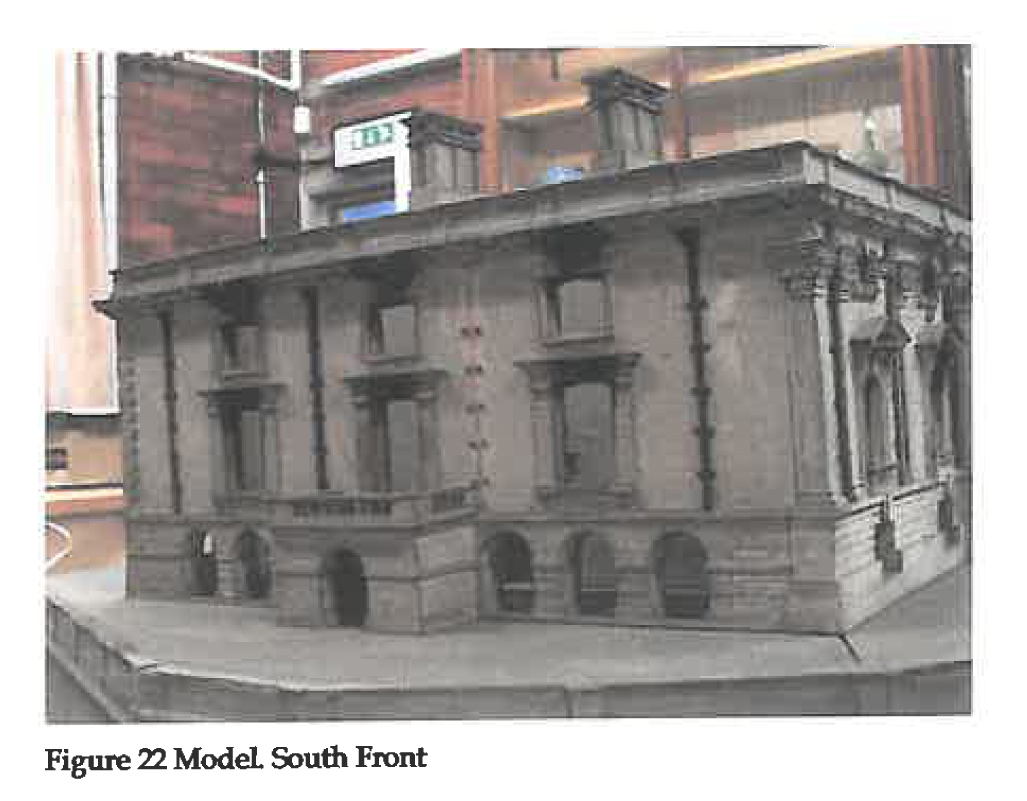
Nottingham Castle External Client Project - Images & Group

Today I decided to make a Facebook group for the three of us doing this client project - me, Amanda, and Helina - to help us organise the project more efficiently and to share any useful resources and progress. I also think this will help us get used to working together rather than separately, and could be useful at times when it may not be possible to meet up to complete work.

http://www.facebook.com/groups/375082555921454/


I have uploaded the PDFs to this group so far, as well as exported images from the larger of the PDFs, to use as reference when we start to plan the project for the presentation and then 3D modelling. Here are some of the images I have gathered so far:


Once we receive the brief for the project - hopefully this week! - we can start to use these reference images and PDF information to help us begin accurately planning and modelling the castle and its grounds (I still believe I am modelling most of the outside of the castle).

Tuesday, 8 January 2013

External Client Project - Nottingham Castle Visit

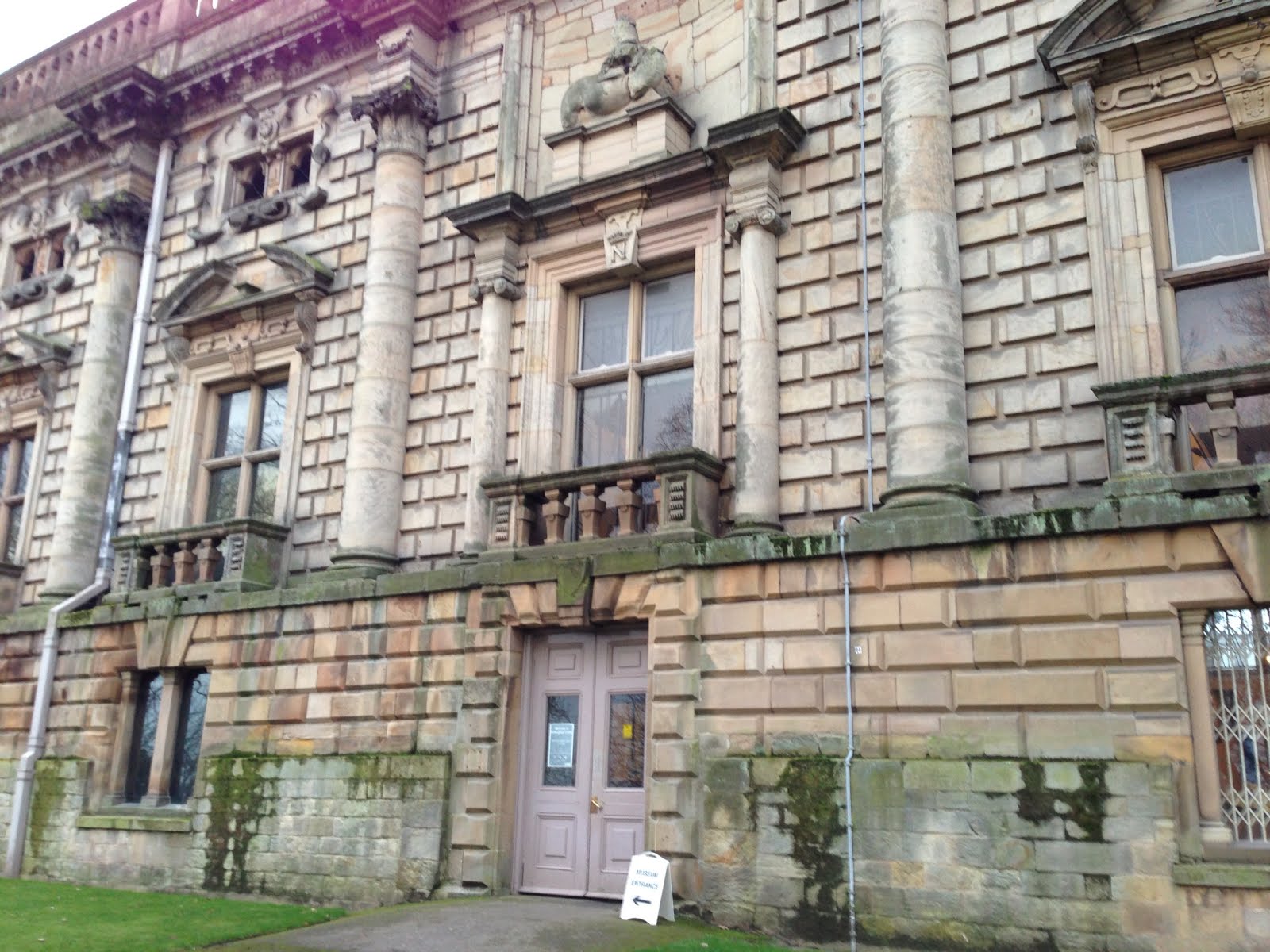
My external client project for this term involves working with two other students from my tutorial group and my tutor on a realtime visualisation of Nottingham Castle (Ducal Palace) at the time of the riot in 1831. Before the Christmas break, we all visited the location to observe, learn history, and discuss the project in a little more detail. I never posted the photographs I took during this visit, so here they are! :) (Sorry if some are a little blurry - it was a freezing day!)


For this project, my role will be to model and texture the exterior of the castle, which is why most of my images are of the bricks, windows, pillars etc. I have also been reading the PDF about the building history of the Ducal Palace, so now have a better understanding of what it was like at the time of the riot in 1831 and which parts were and weren't relevant at this time.


[Also, quick note: I have made a general 'Uni Work' Photostream on iCloud now I have two iOS devices - here is the link where I will post quite a few images, instead of using flickr, which I never really got into: https://www.icloud.com/photostream/#A15oqs3qGNmMLJ ]

Monday, 7 January 2013

Possible Environment for Research Artefacts

Over some of the Christmas break I started a couple of basic environments to use for my artefacts, using both new models and other high quality models I have made in my spare time in the past. I firstly looked at attic rooms (conversions) as being good for sources of light (skylight windows), as well as looking at large full-length windows for the same reason. The idea I have developed more and plan to work on much more in the next week or two is quite a basic open plan lounge/diner area. The main feature of this room will be the wooden beams on the ceiling, to try to add character to the room rather than just be an ultramodern, fashionable space. Another important aspect is the use of large full-length windows, to add a potential effective light source for an artefact.
Full-length windows to add light/mood?

The image I will base my environment/interior upon - open plan with character


(I have not yet scanned in my original sketches of ideas for the artefact work, but will upload these later this week when I find time or remember!)


Here are some quick renders of where I currently am with this environment, with 3 out of 4 walls made, and some furniture and decoration in place and basic textures to show the general idea.


So far, I think the style of the space is what I wanted to achieve, but I also think I should add more detail to some parts and work on texturing, as well as obviously adding many more objects to the scene. For instance, I feel an important object to add would be a light source, due to my research project being based mainly upon lighting to add mood - this could be a lamp, spotlights, candles, etc. Also, the brick wall within the room currently only has a diffuse and bump map on the whole surface, so I could consider modelling this to add more detail and realism to the space.